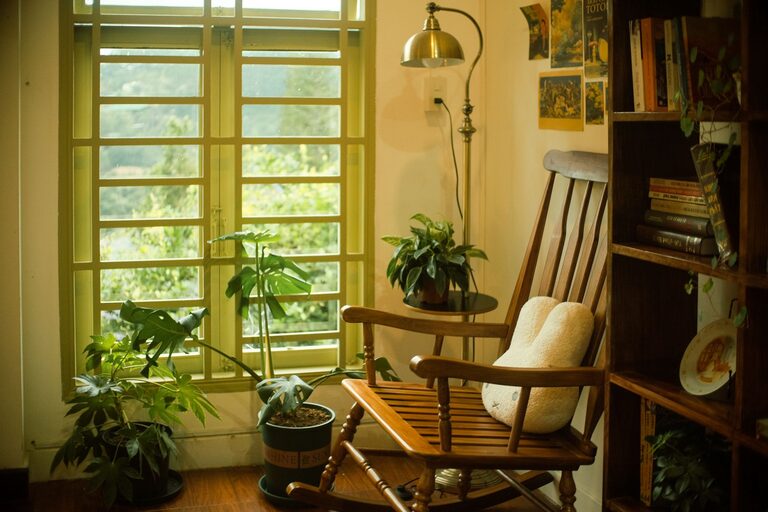

Houseplants can bring life and color to any living space, improving air quality and boosting your mood. However, keeping them healthy requires some basic knowledge and consistent care. Whether you’re new to indoor gardening or looking to refine your plant care skills, these practical tips will help your houseplants flourish.
Understanding Your Houseplant’s Needs
Every plant species has unique requirements, but some general factors influence all houseplants:
– Light
– Water
– Soil
– Temperature
– Humidity
– Fertilization
By tailoring your care routine to these elements, you can create the ideal environment for your plants.
Choosing the Right Spot: Light Matters
Light is one of the most critical factors affecting a houseplant’s health.
Types of Light for Houseplants
– Direct sunlight: Bright light that hits the plant without obstruction, ideal for succulents and cacti.
– Indirect light: Bright but diffused light, perfect for most tropical plants like pothos and peace lilies.
– Low light: Limited natural light, suitable for shade-tolerant plants such as snake plants.
How to Adjust
– Observe how sunlight moves through your home during the day.
– Place sun-loving plants near south-facing windows.
– Use sheer curtains to diffuse harsh light.
– Rotate plants periodically so all sides receive light evenly.
Watering Wisely: Avoid Over- and Under-Watering
Watering mistakes are a common cause of plant problems.
Tips for Proper Watering
– Check soil moisture before watering; stick your finger about an inch deep. If it feels dry, it’s time to water.
– Use room-temperature water.
– Water thoroughly until excess drains out of the pot’s holes.
– Avoid letting plants sit in standing water to prevent root rot.
– Adjust watering frequency based on season and plant type.
Soil and Potting: The Foundation of Growth
Healthy soil provides nutrients and good drainage.
Selecting the Right Soil
– Use well-draining potting mixes formulated for indoor plants.
– Avoid garden soil, which can be too heavy and may contain pests.
– Add perlite or sand to improve drainage if necessary.
Pot Considerations
– Choose pots with drainage holes.
– Repot plants every 1-2 years or when roots outgrow the container.
– Consider size: pots too large retain excess moisture; too small restrict root growth.
Managing Temperature and Humidity
Most houseplants thrive in temperatures between 65–75°F (18–24°C).
Temperature Tips
– Keep plants away from drafts, heaters, and air conditioners.
– Maintain consistent temperature levels.
Humidity Tips
– Tropical plants prefer higher humidity.
– Increase humidity by misting leaves, using a humidity tray, or placing a humidifier nearby.
– Group plants together to create a micro-humid environment.
Feeding Your Plants: Fertilizers and Nutrients
Plants need nutrients to grow, but over-fertilizing can harm them.
Fertilizing Guidelines
– Use balanced, water-soluble fertilizer in spring and summer during active growth.
– Follow package instructions carefully.
– Reduce or stop fertilizing in fall and winter when growth slows.
Pruning and Cleaning: Keep Plants Healthy and Attractive
Regular maintenance improves plant health and appearance.
Pruning Tips
– Remove dead or yellowing leaves.
– Trim leggy growth to encourage bushier plants.
– Use clean, sharp scissors or pruning shears.
Cleaning Leaves
– Dust can block sunlight; gently wipe leaves with a damp cloth.
– For plants with hairy leaves, use a soft brush.
Monitoring for Pests and Diseases
Early detection prevents serious problems.
Common Indoor Plant Pests
– Aphids
– Spider mites
– Mealybugs
– Scale insects
Prevention and Control
– Inspect plants regularly.
– Isolate new plants before introducing them.
– Use insecticidal soap or neem oil as needed.
– Maintain good airflow and avoid overwatering.
Conclusion
Nurturing houseplants is a rewarding hobby that enhances your living space and well-being. By understanding your plants’ needs and providing consistent care, you can enjoy healthy greenery year-round. Remember, patience and observation are keys to successful plant care—each plant will tell you what it needs if you pay close attention.
Happy planting!
About the Author