Creating a calm and peaceful environment at home starts with choosing the right colors. The hues you select can influence your mood, affect your energy levels, and set the overall tone of your living space. Whether you’re planning to repaint a room or redecorate, opting for calm colors can help transform your home into a relaxing retreat.
In this post, we’ll explore practical tips for choosing calm colors that promote tranquility and comfort. From understanding color psychology to considering lighting and texture, these guidelines will help you make informed choices that suit your style and home.
Understanding Calm Colors
Calm colors are typically soft, muted hues that evoke a sense of relaxation and serenity. They tend to be low in saturation and brightness, avoiding overly vibrant or intense shades that might feel stimulating or overwhelming.
Popular Calm Color Families
– Blues: Often associated with the sky and water, blues are known for their cooling and calming effects. Soft blues can create a soothing atmosphere.
– Greens: Green connects us to nature and is often linked to renewal and balance. Muted greens work well in living rooms and bedrooms.
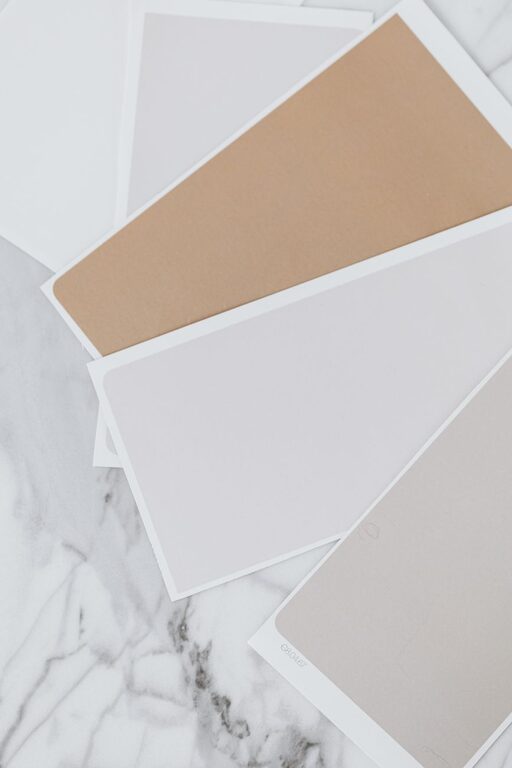
– Neutrals: Shades like beige, taupe, soft gray, and warm whites provide a gentle backdrop that feels restful and timeless.
– Lavenders and Soft Purples: These can add a subtle touch of color while maintaining a peaceful vibe.
– Pale Pinks and Peaches: When muted, these tones add warmth without being too bold.
Tips for Choosing Calm Colors
1. Consider the Room’s Purpose
The function of a room influences the best color choice for calmness.
– Bedrooms: Soft blues, greens, or gentle lavenders can help promote restful sleep.
– Living Rooms: Neutral tones combined with subtle accent colors can create a welcoming and relaxing space.
– Bathrooms: Cool shades like light blues or greens can enhance a spa-like feel.
– Home Offices: Calm neutrals help maintain focus without distraction.
2. Test Colors in Different Lighting
Colors can look very different depending on natural and artificial light.
– Observe how paint samples change from morning to evening.
– Use large swatches on your walls to see the effect.
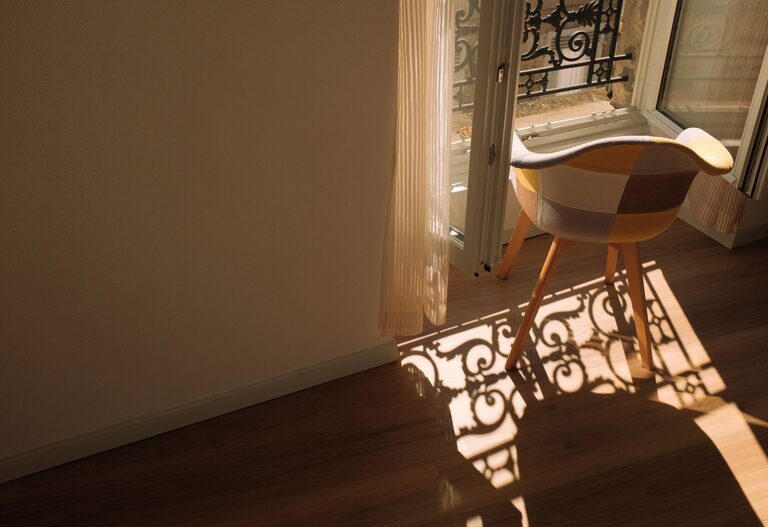
– Remember that warm lighting (yellowish bulbs) can make colors feel cozier, while cool lighting (whiter bulbs) can keep colors crisp.
3. Stick with Matte or Satin Finishes
Glossy or high-shine paints reflect more light and can feel less soothing. Matte and satin finishes absorb light and create a softer look, which enhances calmness.
4. Use Color in Layers
Calmness doesn’t mean boring. Layer colors to add depth and interest:
– Paint walls in a soft neutral tone.
– Use calm-colored furnishings like cushions, throws, or rugs.
– Incorporate subtle patterns with understated designs.
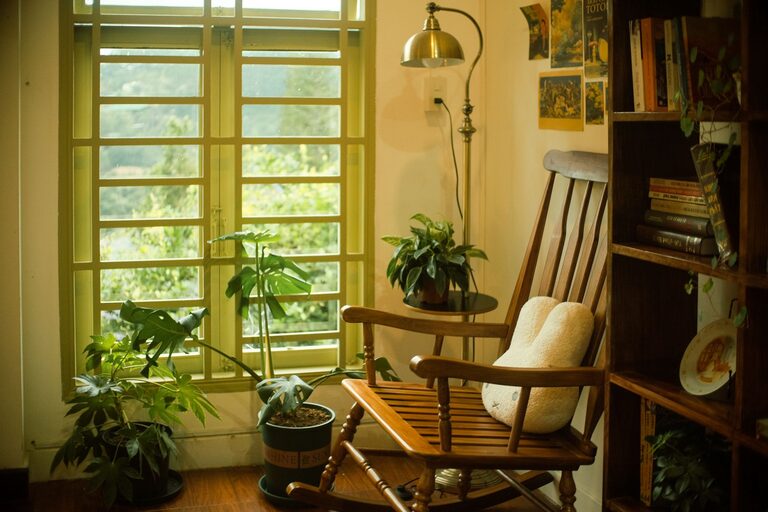
– Add natural elements such as plants or wooden accents to complement calm colors.
5. Avoid Overly Dark or Vibrant Colors
While deep colors can be cozy, very dark paint can feel heavy or oppressive in small spaces. Similarly, bright or neon colors tend to stimulate rather than relax. Aim for muted and pastel versions of your favorite colors.
6. Balance With White or Off-White
Including white or off-white shades helps create contrast and keeps the space feeling open. It also prevents the calm colors from becoming monotonous.
7. Personal Preference Matters
Calmness is subjective; a color that relaxes one person might not have the same effect on another. Choose colors that you feel comfortable and happy with, as your personal response is key.
Practical Steps to Choose Your Calm Colors
- **Gather Inspiration:** Look at home décor magazines, websites, or apps like Pinterest to find color palettes that attract you.
- **Create a Mood Board:** Compile images, fabric swatches, and paint samples to visualize how colors work together.
- **Sample Paint:** Buy small paint testers and apply them in different rooms.
- **Live with It:** Spend a few days observing how the colors make you feel at various times.
- **Adjust if Needed:** Don’t hesitate to tweak your selection based on your experience.
Final Thoughts
Choosing calm colors for your home is a rewarding process that can greatly enhance your well-being. By considering the intended mood, lighting, and your personal preferences, you can create spaces that feel peaceful and inviting. Remember, the best calm color palette is one that makes you feel truly at home.
With these tips in hand, you’re ready to start your calming color journey—happy decorating!
About the Author