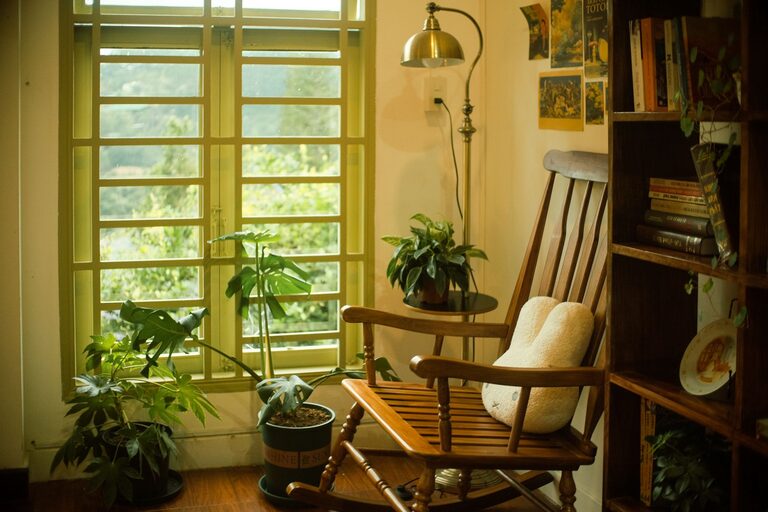
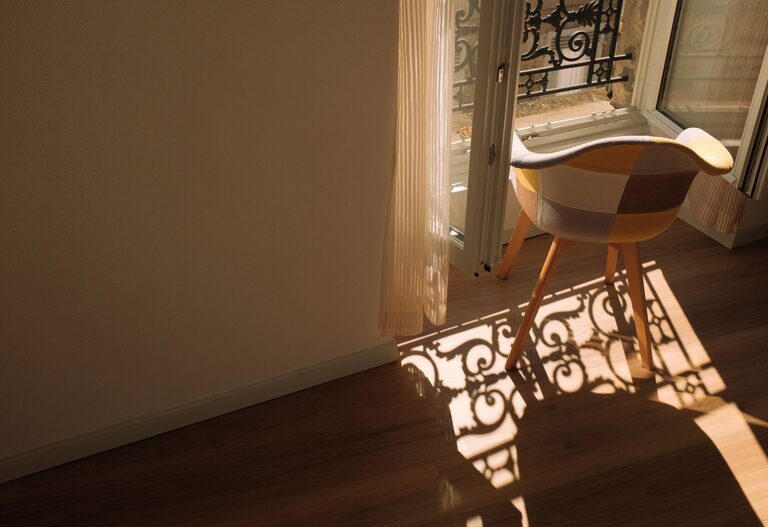
A dark room can feel cramped, gloomy, and less inviting. Whether your space lacks natural light or has dark walls and furnishings, there are plenty of quick and affordable ways to brighten it up. By tweaking lighting, colors, and layout, you can create a cheerful and welcoming atmosphere. This post shares easy ideas to help you transform any dark room into a lively, light-filled space.
Understanding Why Rooms Feel Dark
Before diving into solutions, it helps to understand what makes a room feel dark. Common reasons include:
– Limited natural light due to small or shaded windows
– Dark wall colors and heavy furniture
– Bulky window coverings blocking light
– Insufficient or poorly placed artificial lighting
Once you identify these factors, you can target your efforts for the biggest impact.
Use Light Colors on Walls and Ceilings
One of the fastest ways to brighten a room is by painting:
– Walls: Choose light neutrals such as white, cream, pale gray, or soft pastels. These reflect more light than dark hues, making the space feel airy.
– Ceilings: Painting the ceiling a bright white or a slightly lighter tint than the walls draws the eye upward and opens the room visually.
If you don’t want to repaint, consider removable wallpaper or decals with light tones.
Optimize Natural Light
Maximize the sunlight your room receives with these tips:
– Sheer Window Treatments: Replace heavy curtains with sheer or light-filtering shades that let in daylight while maintaining privacy.
– Clean Windows: Dirty windows block sunlight. Regular cleaning lets in more light.
– Mirrors: Position mirrors opposite windows to reflect natural light deeper into the room.
– Trim Outside Obstructions: If possible, trim trees or bushes that block sunlight from entering your windows.
Upgrade Artificial Lighting
Good lighting is essential, especially in rooms with limited sun exposure. Try:
– Layered Lighting: Combine ambient (ceiling lights), task (reading lamps), and accent (spotlights or wall sconces) lighting for balanced illumination.
– LED Bulbs: Use bright, energy-efficient LED bulbs with a color temperature around 3000K to 4000K for a warm yet clear glow.
– Light Fixtures: Choose fixtures that disperse light widely, such as chandeliers or multi-bulb lamps.
– Dimmers: Installing dimmers lets you adjust brightness based on the time of day or activity.
Choose Light and Reflective Furnishings
Furniture and decor impact how light travels in a room:
– Light-Colored Furniture: Whites, beiges, pale woods, or light grays reflect more light than dark furniture.
– Glass and Acrylic Pieces: Coffee tables or shelves made of glass or acrylic reduce visual weight and allow light to pass through.
– Metallic Accents: Incorporate touches of gold, brass, or chrome to bounce light around the room.
– Minimal Clutter: Keeping surfaces tidy prevents shadows and helps the space feel open and bright.
Add Reflective and Bright Accessories
Small touches can enhance brightness:
– Mirrors: Large mirrors amplify natural and artificial light. Consider a floor-length mirror or a collage of smaller ones.
– Artwork: Hang art with bright colors or light backgrounds to enliven the walls.
– Rugs: Use light-colored rugs to brighten dark floors and reflect light.
– Throw Pillows and Curtains: Incorporate pastel shades, whites, or light patterns.
Incorporate Plants and Natural Elements
Plants add life and lightness to a space:
– Choose plants with vibrant green leaves or colorful flowers to brighten corners.
– Use white or light-colored pots to maintain a light atmosphere.
– Position plants near windows where they can get natural light.
Rearrange Furniture for Maximum Light Exposure
How you arrange your furniture affects how light flows:
– Avoid blocking windows with bulky pieces; keep window spaces clear.
– Place seating near natural light sources when possible.
– Arrange furniture so that light can reflect off walls and ceilings unobstructed.
Use Reflective Paint and Finishes
Specialized paints and finishes can subtly enhance brightness:
– Glossy or Satin Finishes: These reflect more light than matte paints but should be used sparingly to avoid glare.
– Light-Reflective Paint: Some brands offer paints formulated to reflect light better than traditional options.
Consider Window Films or Additional Windows
For longer-term projects:
– Window Films: Reflective or frosted films can increase light diffusion while maintaining privacy.
– Additional Windows or Skylights: Installing more windows or skylights may be feasible and drastically increase natural light.
—
Final Thoughts
Brightening a dark room doesn’t have to be a major renovation. Simple changes like painting light colors, improving lighting, adding mirrors, and choosing airy furnishings can create a noticeable difference quickly. Experiment with a combination of these ideas to find what works best for your space. With a little effort, your dark room can become a bright, comfortable place you love to spend time in.
About the Author